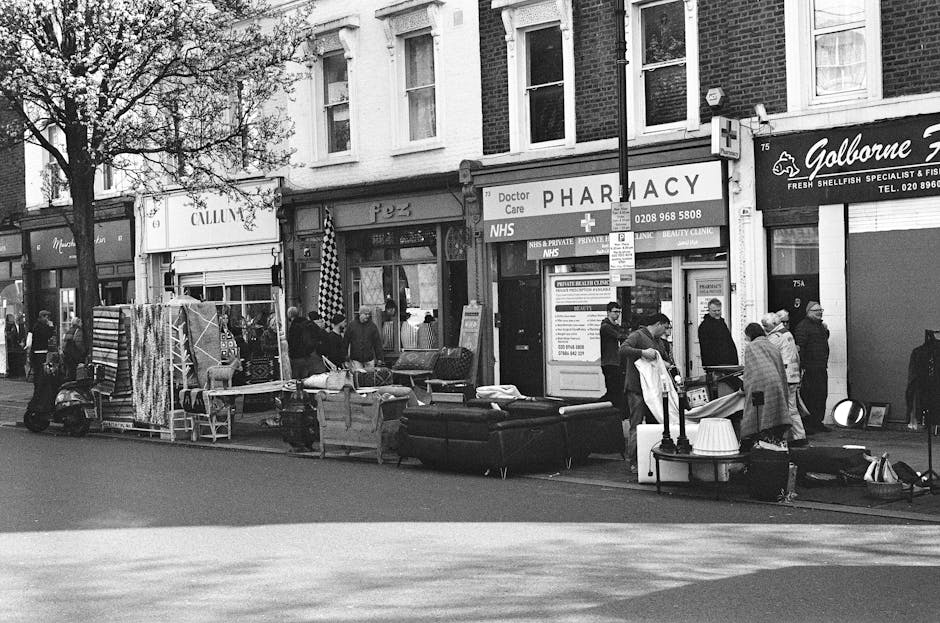
Ridley Road Market shop rubbish collection Dalston: a practical guide for traders, managers, and local businesses
If you run a shop, stall, takeaway, or small business around Ridley Road Market, rubbish can pile up faster than you expect. Cardboard from deliveries, broken display materials, food packaging, back-room clutter, out-of-date stock, and the odd bulky item all need a proper plan. Ridley Road Market shop rubbish collection Dalston is not just about getting things out the door; it is about keeping trading spaces safe, tidy, and workable on busy days.
In a place like Dalston, where footfall, deliveries, and tight access can all collide in the same morning, waste removal has to be calm and organised. This guide explains how shop rubbish collection works, what to expect, what to avoid, and how to choose a sensible approach for your premises. If you want the short version: clear the waste promptly, separate what can be recycled, and keep the collection process simple. The rest is just good practice, really.
Why Ridley Road Market shop rubbish collection Dalston Matters
Shops near Ridley Road Market operate in a lively, tightly packed environment. That is part of the appeal, of course, but it also means waste has less room to hide. One overloaded sack by the back entrance can become a trip hazard, a pest issue, or a block to stock deliveries. A stack of flattened boxes left in the wrong place can narrow a passage that staff need all day. And let's face it, once rubbish starts to look chaotic, the whole shop can feel behind before the day has properly started.
Good rubbish collection matters for more than appearances. It helps with:
- keeping fire exits, doorways, and service areas clear
- reducing odour, spills, and pest attraction
- making stock rooms easier to work in
- protecting staff, contractors, and customers from avoidable hazards
- supporting a cleaner trading environment during busy market hours
There is also a commercial side. Tidy waste handling makes a business look sharper. Customers notice when a front or rear access point is orderly, even if they do not consciously think about it. A clean space tells people your operation is under control. That matters in a market setting where first impressions are made in seconds.
If your business deals with furniture, fittings, refits, or frequent stock rotation, you may also need broader clearance support rather than just routine waste uplift. In those cases, related services such as business waste removal, general waste removal, or even office clearance can be a better fit than simple bin emptying.
Key takeaway: In a busy market area, waste handling is not an afterthought. It affects safety, customer perception, working speed, and the day-to-day flow of your business.
How Ridley Road Market shop rubbish collection Dalston Works
There is no single setup that suits every shop. A small grocery, a salon, a cafe, and a fashion unit will all generate different kinds of waste. The practical process usually starts with a quick assessment of what has built up and how often it needs clearing. From there, the job is broken down into load type, access, time constraints, and recycling potential.
For many traders, the collection process follows a simple pattern:
- Identify the waste stream - bags, cardboard, broken fixtures, mixed rubbish, packaging, or bulky items.
- Check access - rear lanes, side entrances, shared corridors, stairways, or loading restrictions.
- Separate what can be recycled - especially cardboard, clean plastics, metals, and some equipment.
- Schedule the uplift - ideally at a time that does not interrupt trade or deliveries.
- Remove and sweep through - so the area is left usable, not just emptied.
In a market setting, timing matters more than people often realise. Early collections may help you avoid the morning rush. Later collections can be useful if your waste builds up after trading hours. The "best" time is usually the one that causes the least disruption for staff and nearby businesses.
Sometimes the job is straightforward. Sometimes it is not. A shop may have mixed rubbish in the back room, a burst box of stock packaging near the till, and a couple of awkward items that do not fit into normal bags. That is when a flexible clearance approach helps. If the job includes bulky shelving, counters, or old display units, you may find a service like furniture clearance or furniture disposal more suitable.
Key Benefits and Practical Advantages
A well-managed rubbish collection routine gives you more than a clear floor. It makes the whole business easier to run. Here are the practical advantages that matter most to local traders.
1. Better day-to-day efficiency
When waste is collected regularly, staff spend less time moving bags around, re-stacking cardboard, or navigating around clutter. That means quicker opening routines and fewer stop-start moments during the day. It sounds small, but these little disruptions add up.
2. Safer working conditions
Loose packaging, wet rubbish, and overloaded bins are common causes of mess and minor accidents. Keeping waste under control reduces slips, blocked walkways, and strained lifting. It also helps keep back-of-house areas more predictable, which is always a relief on a busy day.
3. Cleaner customer-facing areas
Even when rubbish is kept out of sight, the route it takes matters. If bags are moved through public areas, the shop can feel untidy. A planned collection means fewer awkward carry-outs and less chance of spilling waste on the pavement.
4. More room for stock and operations
A cluttered storage room can become unusable quickly. Once waste is removed properly, the space can go back to what it is supposed to do: store stock, hold equipment, or support replenishment. A lot of shops are fighting for every square metre. Waste should not be the thing taking up the best corner.
5. Better recycling outcomes
Many businesses throw everything into one pile simply because it is faster in the moment. Fair enough. But separated waste is usually easier to process responsibly. Cardboard, packaging, and some fixtures can often be handled more efficiently when sorted before collection.
If you are trying to improve your wider business waste routine, it can help to review recycling and sustainability alongside collection frequency. That way, waste handling becomes part of the business system rather than a messy afterthought.
| Waste approach | Best for | Main advantage | Common drawback |
|---|---|---|---|
| Routine bag collection | Small daily waste volumes | Simple and low-disruption | Can struggle with bulky items |
| Scheduled shop rubbish collection | Busy retailers and market units | Keeps waste under control | Needs regular planning |
| Bulk clearance | Refits, stock changes, store resets | Removes larger volumes quickly | Requires access and coordination |
| Specialist disposal | Furniture, fittings, heavy items | Useful for awkward loads | May need extra handling time |
Who This Is For and When It Makes Sense
This kind of collection is useful for a wide range of businesses, not just traditional shops. If your premises sit near Ridley Road Market or you operate in the surrounding Dalston area, you may need regular waste help if you are in any of these situations:
- you receive frequent deliveries and end up with lots of cardboard
- you run a convenience shop, mini-market, or off-licence
- you operate a cafe, takeaway, or food business with packaging waste
- you are clearing old stock after a seasonal refresh
- you are replacing shelving, counters, or display furniture
- you have a compact back room that fills up too quickly
- you are preparing for an inspection, refit, or handover
It is also a sensible choice when staff are doing too much lifting or waste handling themselves. Once that starts affecting the day, it is usually a sign the current setup is not really working. You know the type: the bin is full, the cardboard pile is leaning at an odd angle, and everyone pretends it will sort itself by 4 p.m. It won't, usually.
For businesses with broader premises issues, related services like home clearance, house clearance, or flat clearance may be more relevant where waste overlaps with moving, vacancy, or end-of-tenancy type jobs.
Step-by-Step Guidance
If you want a cleaner, smoother collection process, it helps to treat it like a small operating system. Not glamorous, but effective.
Step 1: Sort the waste by type
Separate general waste from recyclable materials and bulky items. Cardboard should not be buried under mixed rubbish if you can help it. It saves time later and makes the load easier to assess.
Step 2: Clear a safe staging area
Choose one area for waste to wait before collection. Keep it away from customer flow, heaters, kitchen equipment, and wet floors. If the area is outdoors, make sure it will not block access or create a nuisance.
Step 3: Remove obvious hazards first
Broken glass, sharp packaging strapping, torn sacks, and leaking containers should be handled straight away. This is one of those moments where five quiet minutes can save a headache later.
Step 4: Decide whether the job is routine or bulky
Routine collections suit bags, packaging, and lighter commercial waste. Bulky items need a different plan. A shop refit or stockroom reset may need a clearance team rather than a basic uplift.
Step 5: Book a collection at the least disruptive time
Try to pick a slot that suits your trading rhythm. If mornings are chaotic, choose later. If evenings are too cramped, go earlier. The point is to keep the business moving.
Step 6: Confirm what will be taken
Be clear about the load. If there is mixed rubbish, awkward furniture, or a lot of packaging, say so early. It avoids delays and awkward surprises on the day. Nobody enjoys the "oh, and there's one more thing" moment when the van is already loaded.
Step 7: Check the area after collection
A proper collection should leave the space tidy enough to use straight away. Sweep through, check for staples or broken fragments, and reset the area so staff can get back to work without stepping around leftovers.
Expert Tips for Better Results
There are a few things that consistently make rubbish collection easier for market-side shops and small commercial premises.
- Use clear labels on waste zones. Even a simple sign for cardboard, general waste, or bulky items helps staff stay consistent.
- Flatten boxes before they pile up. This sounds obvious, but unflattened cardboard can take over a room very quickly.
- Keep bags tied and manageable. Overfilled sacks slow everything down and increase spill risk.
- Do a five-minute waste reset at close. It is a tiny habit that keeps tomorrow's opening smoother.
- Plan around deliveries. Collections and deliveries fighting for the same access point is a classic nuisance.
- Think about weather. Rain, wind, and damp packaging make waste heavier and messier, especially on a street like this where people are coming and going all day.
One practical point many businesses miss: your waste routine should be designed around your messiest day, not your calmest one. If Friday is always busier than Tuesday, plan for Friday. Otherwise the system looks fine on paper and falls apart in real life. A bit of blunt honesty there.
If your business handles regular commercial waste rather than occasional clear-outs, business waste removal can provide a more dependable structure than one-off collections. That consistency matters when space is tight.
Common Mistakes to Avoid
Most waste problems are not dramatic. They are small habits repeated until the back room turns into a storage puzzle.
Leaving waste until the end of the week
This is probably the most common one. It seems efficient, but it usually creates bigger loads, more smell, and more pressure on staff. If you wait too long, everything becomes heavier, messier, and more annoying. Not ideal.
Mixing recyclable materials with general rubbish
It is easier in the moment, but less efficient later. Cardboard buried under mixed waste can become damp, bulky, and awkward to handle. If you can separate clean materials early, do it.
Blocking entrances and fire routes
Waste should never creep into paths that staff or customers need to use. That includes rear access, side doors, and any exit route that matters in an emergency.
Guessing the load size
If you understate the amount of waste, the collection may need more time or a second visit. Better to describe the job properly from the start, even if it feels a bit overcautious.
Ignoring bulky items because they are "only one thing"
One broken shelf, one old counter, one heavy cabinet. That is usually how awkward clutter starts. Singular items can still create real problems if they are in the wrong place.
Assuming every service is the same
A bin lift, a waste removal job, and a shop clearance are not identical. Matching the service to the waste type makes a huge difference to cost, convenience, and turnaround.
Tools, Resources and Recommendations
You do not need complicated equipment to manage shop waste better. A few sensible tools and habits are usually enough.
- Sturdy bags and bins for general waste and packaging
- Cardboard stacks or cages to keep recyclable materials tidy
- Labels or colour-coded signs for staff clarity
- Gloves and simple handling gear for safer movement of awkward items
- A small log or checklist to note when waste was last cleared
From a service standpoint, it can help to review the provider's wider approach to safety, payment, and business practices before you book. Pages such as health and safety policy, insurance and safety, and payment and security give you a better sense of how a company operates behind the scenes.
If you are comparing prices, do not look only at the headline figure. A cheap quote can be fine, but only if it reflects the actual load, access, and collection scope. It is better to ask what is included than to assume. A little boring, perhaps, but helpful.
For businesses looking to understand how pricing is handled, pricing and quotes is a sensible place to start. And if you want to know more about the company itself, about us gives useful background without the fluff.
Law, Compliance, Standards, or Best Practice
Waste from a shop or market business should be handled responsibly and in line with normal UK commercial waste expectations. That means using an appropriate, legal route for disposal, avoiding fly-tipping, and keeping waste out of public spaces for longer than necessary. While the details can vary by type of waste and premises setup, the basic principle is straightforward: do not leave responsibility vague.
Best practice usually includes:
- keeping waste contained until collection
- separating recyclable materials where practical
- making sure staff know where waste goes
- using a provider with a clear process for handling commercial loads
- taking extra care with anything sharp, heavy, or potentially contaminated
If your waste includes items from a refit, renovation, or fit-out, then standards of handling become even more important. In that scenario, it may also make sense to look at builders waste clearance because renovation waste often behaves differently from day-to-day shop rubbish.
Compliance does not need to be complicated, but it should be deliberate. In practice, that means staff know the routine, the waste is not sitting around longer than needed, and collections are planned with access and safety in mind. Simple, but not always simple in the rush of a trading week.
Options, Methods, or Comparison Table
Different premises need different waste solutions. Here is a practical comparison to help you decide what fits best.
| Method | Best use case | Pros | Watch out for |
|---|---|---|---|
| Regular shop rubbish collection | Daily or weekly business waste | Predictable, tidy, easy to schedule | Can struggle with bulky items |
| One-off waste removal | Occasional clear-outs or overflow | Flexible and fast | May not suit ongoing waste volume |
| Bulk clearance | Refits, stockroom resets, large load-outs | Useful for mixed and heavy waste | Needs more coordination |
| Specialist disposal | Furniture, fittings, awkward equipment | Good for non-standard items | Not ideal for routine day-to-day rubbish |
For a small shop with steady waste, routine collection is usually the easiest choice. If you are changing fixtures or clearing the back room after a long season, one-off or bulky clearance makes more sense. Many businesses use a mix of both, which is perfectly normal. Actually, that is often the smartest setup.
Case Study or Real-World Example
Imagine a compact shop near Ridley Road Market that sells household goods. On a normal week, it produces cardboard from deliveries, plastic wrap, and a steady stream of general waste. Then, after a seasonal reset, the team decides to replace a battered shelving unit, move old display stock, and clear out several damaged boxes that have sat in the back for too long.
At first glance, it looks like "just a bit more rubbish." But the load quickly becomes awkward: the cardboard is bulky, the shelving is too large for the regular bin area, and staff need the storage corner back before the next delivery arrives. If the business tries to handle it using only normal bags, the back room stays congested and the reset drags on.
A better approach is to separate the daily waste from the bulky items, arrange a collection that can take mixed commercial waste, and clear the space in one go. After that, staff can sweep through, restock the shelves, and get back to trading. The difference is not dramatic from the outside, but inside the shop it feels like breathing room. That is the point, really.
Practical Checklist
Use this quick checklist before arranging collection.
- Have you separated general waste from recyclable materials?
- Are any bags overfilled or likely to split?
- Is there a safe staging area for rubbish?
- Will the collection time avoid peak trading disruption?
- Have you included any bulky, heavy, or awkward items in the description?
- Are access routes clear for the collection team?
- Have sharp or broken items been isolated safely?
- Do staff know where waste should be placed?
- Is the area ready for a final sweep after collection?
- Have you checked whether a routine service or one-off clearance is the better fit?
Tick those off and the job becomes much easier. Not perfect, but easier.
Conclusion
Ridley Road Market shop rubbish collection Dalston is really about keeping a busy business under control. The best systems are not the fanciest ones. They are the ones your team can use every day without fuss, delay, or confusion. If your shop is tight for space, busy with deliveries, or constantly switching stock, a clear waste routine will make a noticeable difference very quickly.
Start with simple sorting, clear access, realistic scheduling, and the right type of collection for the waste you actually produce. That alone will prevent a lot of problems. And if the job is bigger than routine rubbish, do not force it into a bin-based system that was never going to fit. That is where proper commercial waste support earns its keep.
Get a free quote today and see how much you can save.
When the back room is clear and the floor is open again, the whole place just feels lighter. A bit calmer. Easier to work in. That counts for a lot, especially on a busy Dalston street.
Frequently Asked Questions
What does Ridley Road Market shop rubbish collection Dalston usually include?
It usually covers general shop waste, cardboard, packaging, and sometimes bulky items depending on the service you book. The exact scope should be confirmed in advance so the collection matches the load.
How often should a shop near Ridley Road Market arrange rubbish collection?
That depends on trading volume, deliveries, and storage space. Some shops need several clear-ups a week, while others can manage with a less frequent schedule. The key is to avoid waste building up to the point where it affects safety or daily operations.
Is shop rubbish collection the same as business waste removal?
Not always. Shop rubbish collection may be part of a wider business waste routine, but business waste removal can cover more varied loads, larger volumes, or recurring collections. If your waste changes from week to week, a broader service is often more practical.
Can cardboard and packaging be collected with general waste?
Yes, but it is usually better to separate clean recyclable materials where possible. It keeps the load tidier and can make disposal more efficient. Once cardboard is mixed and damp, it becomes a lot less pleasant to deal with.
What if my shop has bulky items like old shelving or display units?
That usually calls for a clearance-style service rather than a basic rubbish uplift. Bulky fixtures need more handling room and may need to be removed separately from daily waste.
Do I need to prepare the waste before collection?
Yes, a little preparation helps a lot. Bags should be tied, cardboard flattened if possible, and sharp items secured safely. A tidy staging area makes the collection quicker and safer.
How do I know whether I need routine collection or a one-off clearance?
If waste is generated continuously, routine collection is usually the better option. If you are clearing out a stockroom, changing fixtures, or dealing with an unusual amount of rubbish, a one-off clearance may be the smarter choice.
What should I do with waste from a shop refit?
Refit waste often includes mixed materials, broken fittings, and heavier debris. In many cases, builders waste clearance is the more suitable route because it is designed for renovation-style waste rather than normal daily rubbish.
How can I keep my back room from filling up so quickly?
Flatten cardboard early, set a clear waste zone, and build waste handling into the closing routine. It is also worth reviewing whether your collection frequency actually matches the amount of rubbish your shop produces.
Is waste handling important for customer experience if most rubbish is kept out of sight?
Yes, because customers still notice signs of clutter, smell, noise, or blocked access. Even if they never see the back room, a tidy waste system often shows up in the way the shop feels overall.
Where can I learn more about pricing and service details?
You can review pricing and quotes for a clearer idea of how estimates are handled, and check the relevant service pages if you need a broader clearance solution.
What is the best first step if my shop waste is already out of control?
Start by separating what is urgent from what can wait, clear the access routes, and identify whether the waste is routine rubbish or a bulky load. After that, choose the right collection type and keep the next round simpler. That first reset usually makes a bigger difference than people expect.